
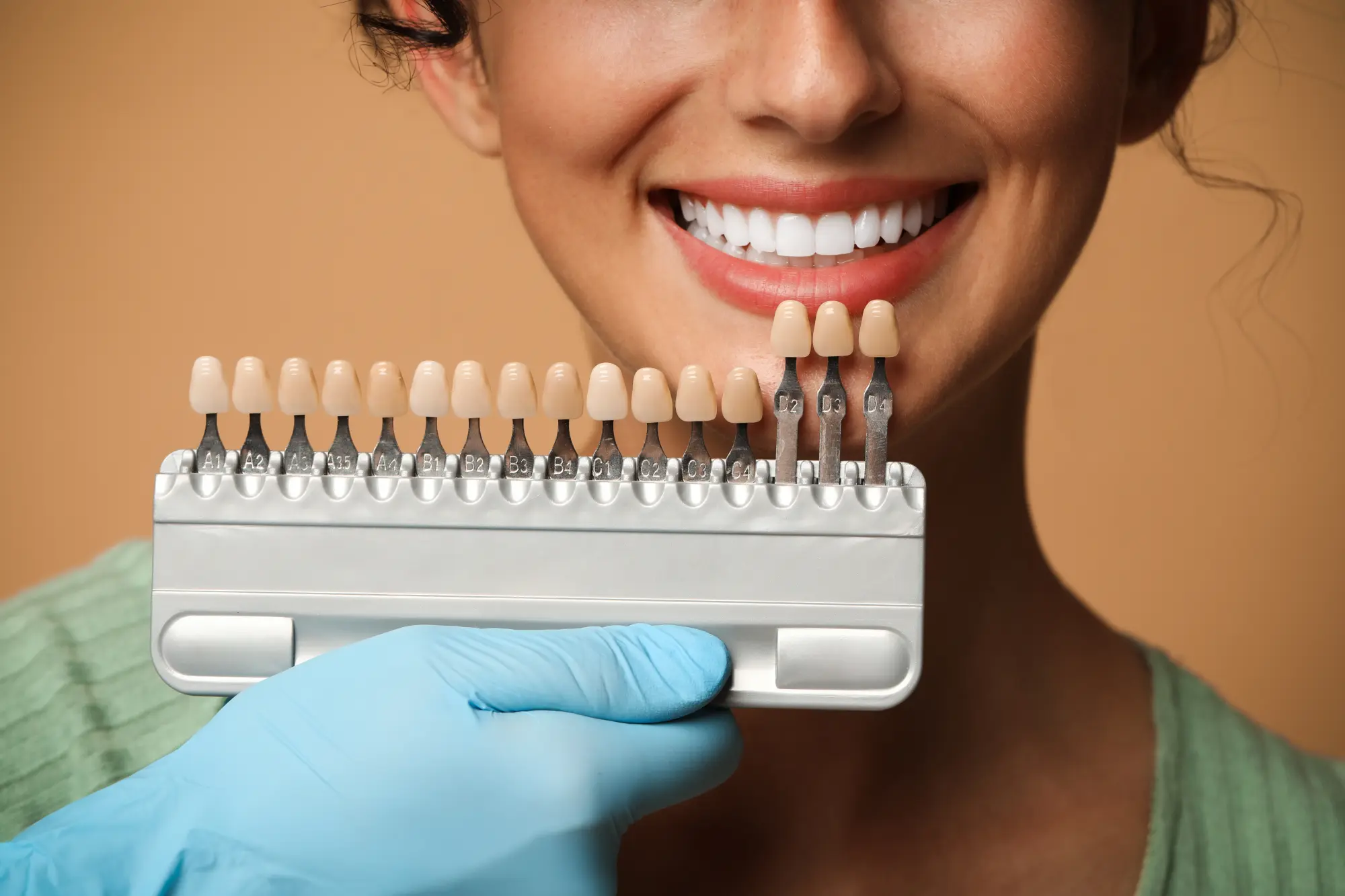
Porcelain Veneers vs. Cosmetic Bonding: Choosing the Right Path for Your Smile Makeover
Allure Dental | Lafayette, IN | Dr. Trevor Murray & Dr. Christian J. Mazur
When patients walk through our doors here at Allure Dental in Lafayette, Indiana, one of the most common things we hear is some version of this: "I want veneers" or "Can you do some bonding on my teeth?" And honestly, we love hearing it. Not because it means a big case is on the way, but because it opens a conversation. A real one. A conversation about your bite, your smile goals, your long-term dental health, and what it actually takes to get you the result you're dreaming of.
That conversation is where everything starts. And more often than not, it goes in directions patients don't expect.
So if you're somewhere in that headspace right now, wondering whether porcelain veneers or cosmetic bonding is the right move for your smile, we want to walk you through exactly what we'd talk about if you were sitting in one of our chairs today.
First Things First: Your Bite Changes Everything
Before we ever talk about what goes on your teeth, we have to talk about how your teeth come together. Your bite, or what we call your occlusion, is the foundation of any cosmetic dental work. If your bite is off, it doesn't matter how beautiful the porcelain is or how skillfully the bonding was applied. Neither one is going to last the way it should.
This is something patients don't always expect to hear when they come in asking about cosmetic work. But here at Allure Dental, Drs. Murray and Mazur always start with function before aesthetics. If your bite isn't right, we need to address that first. Sometimes that means incorporating Invisalign into your treatment plan to move things into proper alignment before we ever touch your smile cosmetically.
And here's something that might surprise you: when we correct the bite first and set things up properly, there are cases where we can place porcelain veneers without removing any tooth structure at all. That's a big deal. One of the biggest misconceptions about veneers is that they always require significant tooth reduction. That's simply not true in the right clinical situation.
There's also another scenario we see regularly. Patients come in convinced they need veneers, and after a thorough evaluation we realize what they actually need is to broaden their smile with Invisalign. Their teeth are healthy and beautiful. They're just not as visible as they could be. Moving teeth into a wider, more open arch can transform a smile without touching a single tooth cosmetically. Sometimes the best cosmetic treatment is not a cosmetic treatment at all.
The point is: your bite has to be part of the conversation. If it's not, whatever gets placed on your teeth, whether that's resin or porcelain, is living on a compromised foundation.
What Is Cosmetic Bonding, Really?
Cosmetic bonding, sometimes called resin bonding or composite bonding, uses a tooth-colored resin material that is applied directly to your teeth, shaped, and hardened in place. It can address chips, small gaps, minor shape irregularities, and surface discoloration. It's done chairside in a single visit, requires little to no removal of tooth structure, and generally costs less upfront than porcelain veneers.
Those are real advantages, and we don't dismiss them. Bonding has its place.
But patients deserve to know the full picture. Resin is a fundamentally different material than porcelain, and that difference shows. Composite resin is more susceptible to staining over time. Coffee, tea, wine, and even certain foods will affect the color of bonding in ways they simply won't with porcelain. Resin also breaks more easily under everyday function, which means repairs and replacements become part of the story.
We do composite bonding here at Allure Dental, and when we do it, we do it right. We layer dentin resins, enamel resins, and incisal resins to mimic the depth and translucency of a natural tooth as closely as the material allows. It takes skill and time. But even with all of that effort, we know there's a ceiling. Resin can only do so much. And that ceiling is quite a bit lower than most patients realize.
What Makes Porcelain Veneers Different
Porcelain veneers are, without exaggeration, a work of art. Each veneer is custom-crafted by a skilled dental laboratory technician from layers of porcelain designed to replicate the look and behavior of natural tooth enamel. There is anatomy built into them. Translucencies are worked in intentionally so light passes through the way it does in a real tooth. When you see a beautiful smile in a photograph or across a room and you think, "those teeth look incredible," more often than not you're looking at porcelain.
Resin cannot do what porcelain does in this regard. Composite reflects light differently, and while an experienced eye might not always be able to tell at a glance, the person wearing the smile usually knows. There is something in the way porcelain catches and returns light that feels alive, natural, and real. It is genuinely hard to replicate with any other material.
Porcelain veneers are also significantly more durable than composite bonding. With proper care and a well-corrected bite, veneers can last well over a decade. They resist staining in a way resin simply cannot. And because they are fabricated outside the mouth in a dental lab rather than built up chairside, the precision and artistry available to the technician far exceeds what even the most skilled clinician can achieve with a composite instrument.
Dr. Murray often describes placing veneers as the most technique-sensitive non-surgical procedure we perform at Allure Dental. That is not an overstatement. From the way we set up the case, to the communication we have with our lab, to how we deliver and seat each veneer and taper it into the natural tooth, every step matters. The margin for error is small. The difference between a good outcome and a stunning one lives in those details.
Comparing the Two: The Honest Picture
Here is where we want to be straightforward with you, the way we would be with a family member sitting in our office.
Aesthetically, there is no comparison between a well-executed set of porcelain veneers and composite bonding. Porcelain wins every time. The depth, translucency, anatomy, and light behavior of porcelain is simply in a different category.
In terms of durability, bonding requires more upkeep. Repairs happen. Staining happens. Patients come back to have their bonding redone. We have seen patients go through the bonding process two or three times before they finally decide to move forward with veneers. When you add up the cost of those repeated visits, the time, and the continued frustration of a result that never quite gets you there, the math on veneers starts to look very different.
From a cost perspective, yes, porcelain veneers require a larger investment upfront. We understand that is a real consideration for people. But here is the way Dr. Murray and Dr. Mazur encourage patients to think about it: your smile is with you every single moment of every day. It is not a pair of shoes you wear on weekends. It is not a piece of furniture in a room you occasionally use. It is present in every conversation, every job interview, every family dinner, every photograph, every handshake. When you frame the investment that way, the return becomes much easier to see.
We have had patients tell us years after getting their veneers that it is one of the best decisions they have ever made. Not just from a cosmetic standpoint, but in terms of how they carry themselves and how they feel walking into a room.
The "Stepping Stone" Myth
One of the most common things we hear is, "I'll just start with bonding and see how I feel. Then maybe I'll do veneers down the road."
We understand the logic. We really do. But in our experience, it rarely plays out that way. What tends to happen is that patients get bonding, feel a little better about their smile, but know deep down it is not quite what they were hoping for. Then the bonding chips or stains, and they come back to have it redone. Then it happens again. By the time they finally commit to veneers, they have spent a significant amount of time and money on a result they were never fully satisfied with.
Bonding is not a reliable stepping stone to veneers. It is a different destination with a different result. If what you truly want is a transformed smile, the most direct and satisfying path is to do the work correctly from the start.
Veneers Are Not Always the Answer Either
Now, having said all of that in favor of porcelain veneers, we want to be equally honest about this: veneers are not a fix-all. They are one tool in a broader smile design toolkit, and not every patient who walks in asking for veneers actually needs them.
We see this regularly at Allure Dental. A patient comes in saying they want veneers on every tooth, and after a proper evaluation, we realize what they actually need is some orthodontic movement to broaden the arch, or a bite correction, or in some cases just a thorough professional whitening and some minor shaping. Healthy, beautiful teeth that are just not in the right position do not need to be covered with porcelain.
Calling veneers a "catchall" is actually a problem we encounter often. When patients come in having read about veneers online or seen them on social media, there is sometimes an assumption that veneers will solve any and every cosmetic concern. They will not. Placing veneers on a compromised bite, on unhealthy teeth, or on a patient whose primary issue is alignment will not produce the result they are looking for. It may even make things worse.
Our job is not to sell you a procedure. Our job is to give you the smile you actually want, using whatever combination of treatments makes the most clinical sense for your specific situation.
Experience Is Everything in Smile Design
Cosmetic dentistry is part science and part art. You can learn the science in school, but the art takes years of doing the work, making mistakes, studying outcomes, training with the best, and refining your approach over time.
Dr. Murray has shared that one of his earliest veneer cases, done within the first few months out of dental school, was technically completed and the patient was happy. But looking back at those photos now, he sees all the things he would do differently. Proportion. Taper. The way light moves through the tooth. The way a smile fits a face. These are things you cannot fully learn from a textbook or a weekend course. They come from experience.
Together, Dr. Murray and Dr. Mazur have been doing this for decades. Between the two of them, there are very few situations in cosmetic dentistry they have not encountered and navigated. That experience is directly available to every patient who sits down with us for a consultation.
When evaluating any provider for cosmetic work, we encourage patients to ask the right questions. How many veneer cases have you completed? Do you work with a dedicated cosmetic lab? Can I see before-and-after photos of actual patients? A crown and a veneer are very different things technically and artistically, and experience with one does not automatically mean expertise in the other.
Let's Start With a Conversation
Whether you are in Lafayette or the surrounding communities, and you have been thinking about cosmetic work, we want you to know that a consultation at Allure Dental is a no-pressure conversation. It is an opportunity for us to look at the whole picture: your bite, your teeth, your goals, and your lifestyle. From there we can give you an honest, personalized recommendation rather than a one-size-fits-all answer.
If porcelain veneers are right for you, we will tell you why and show you what that path looks like. If something else will get you a better result, we will tell you that too. Because at the end of the day, our goal is the same as yours: a smile you can walk into any room with, full of confidence.
We would love to be part of that journey for you.
Related Posts
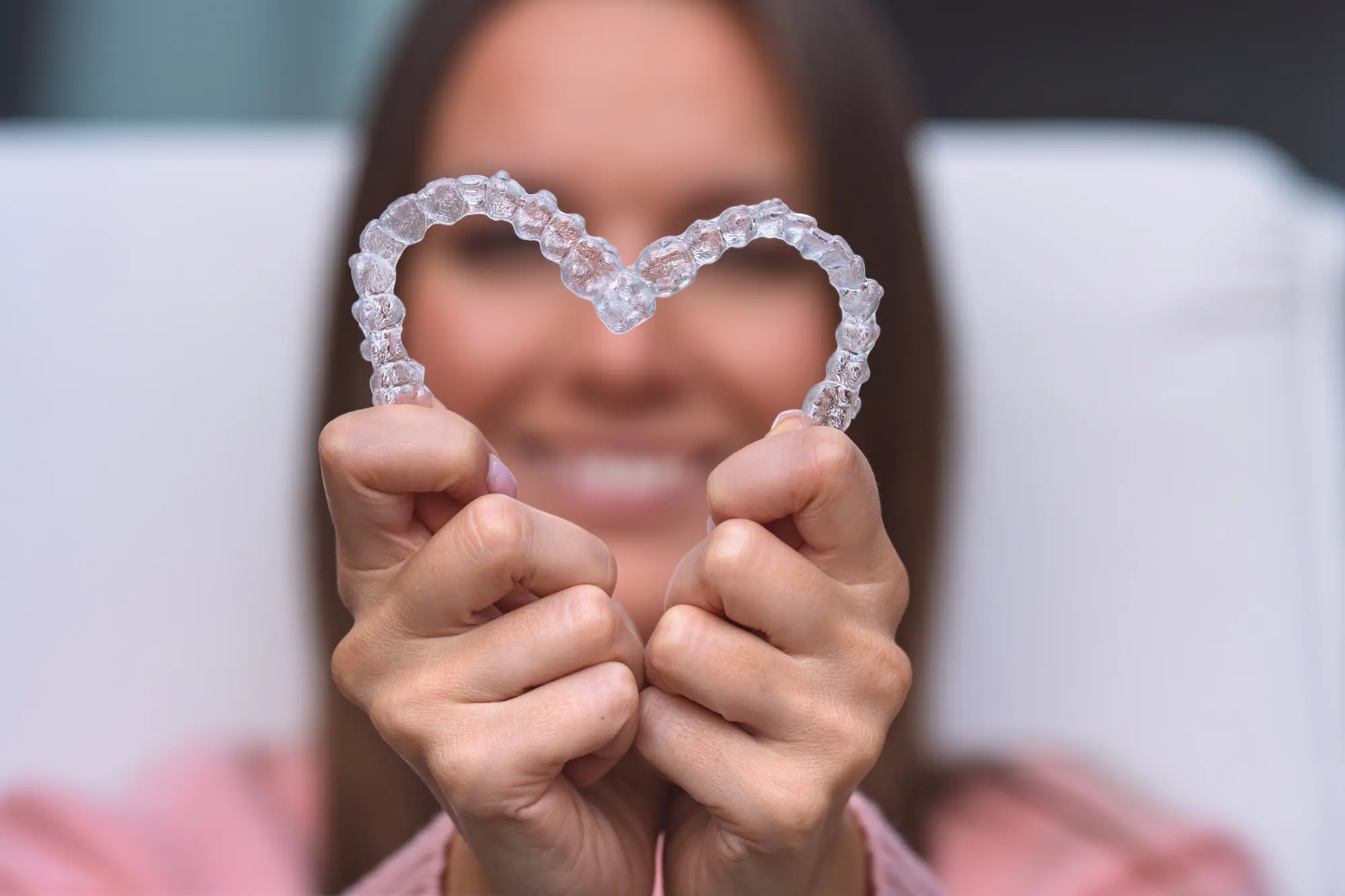
Invisalign Beyond Straight Teeth: What Experienced Invisalign Treatment Can Really Accomplish
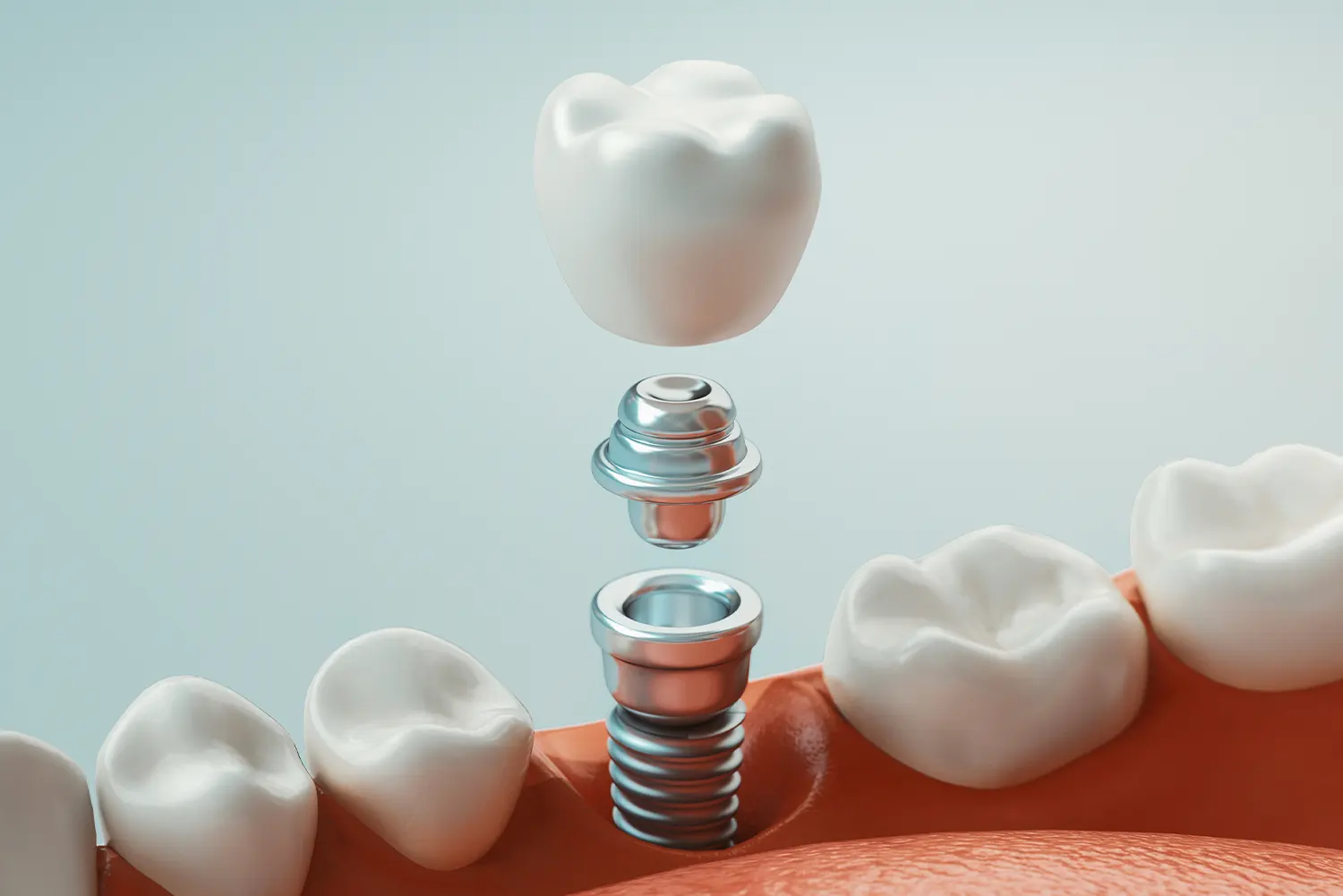
Dental Implants vs. Bridges: Why a Permanent Root Replacement Is a Superior Investment
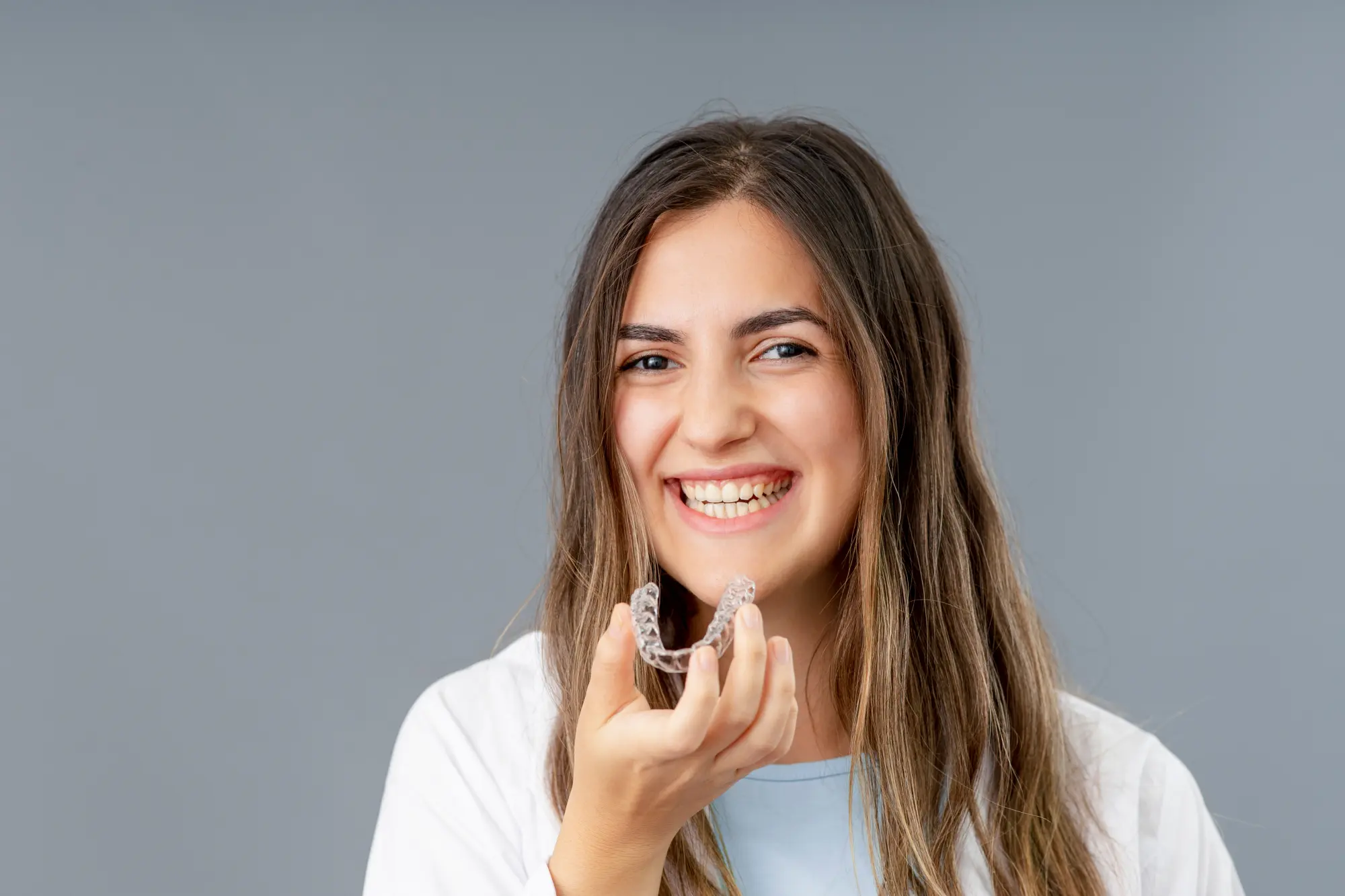
Invisalign for Complex Bite Issues in Lafayette: More Than a Cosmetic Fix
