
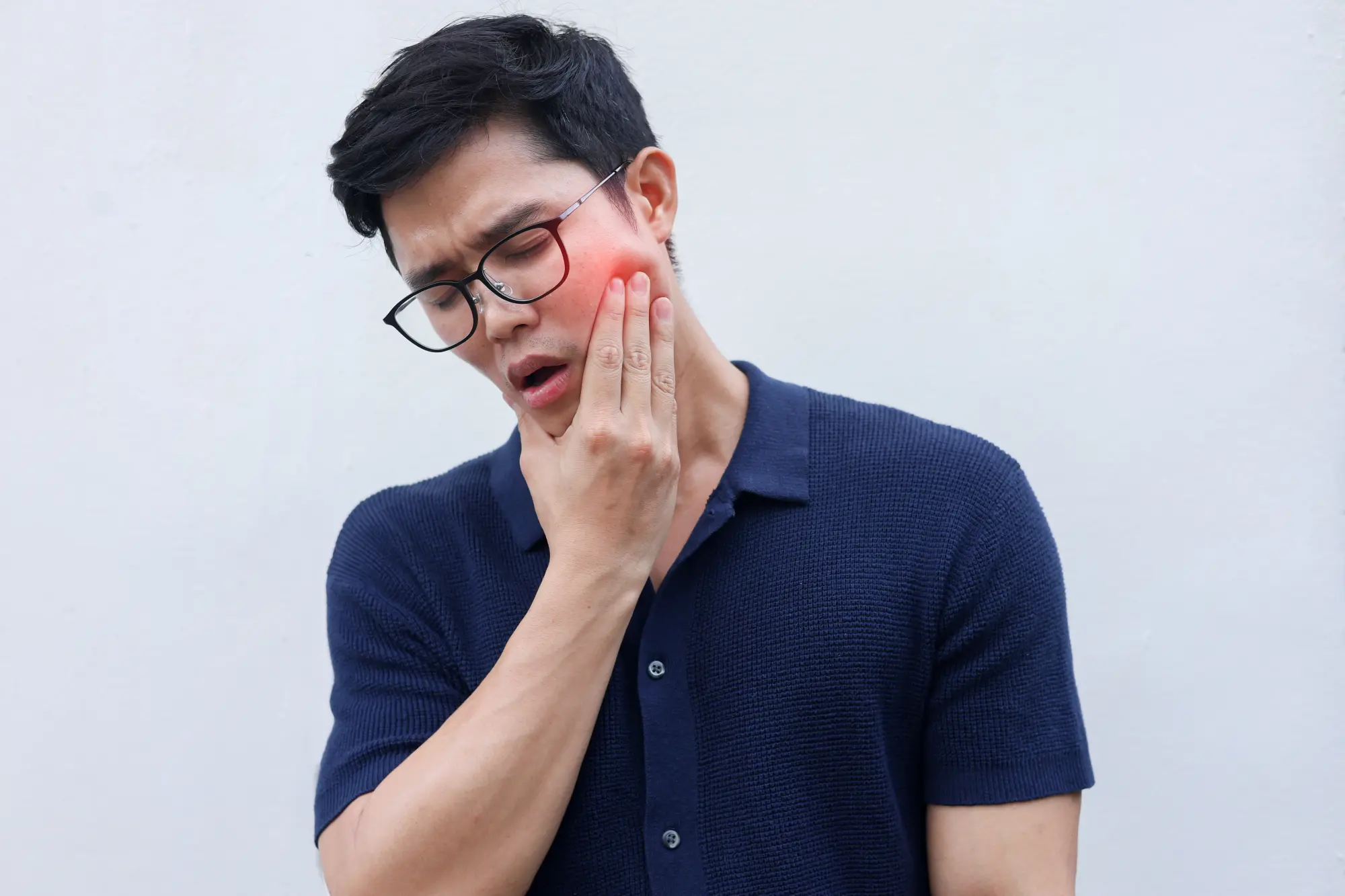
TMJ pain: why finding the cause matters more than chasing symptoms in Lafayette, IN
Jaw pain, headaches that seem to follow the calendar or the weather, a ringing in the ears that never quite goes away: these symptoms can feel unrelated, and they're easy to dismiss or treat one at a time. When the same discomfort keeps returning, it's worth asking what's driving it. For many people, the answer starts with how the teeth come together and how the jaw joint sits at the base of the skull. At Allure Dental, we believe TMJ pain is real, and that lasting relief begins with finding the cause instead of chasing symptoms. Our Lafayette dental care team approaches every case this way.
What TMJ and TMD actually mean
Many people use "TMJ" as shorthand for jaw pain, but the term technically refers to the temporomandibular joint, the joint that connects your lower jaw to your skull. When that joint or the muscles around it aren't working comfortably, the problem is called temporomandibular joint dysfunction or disorder, or TMD. You'll hear both terms used in everyday conversation, and that's fine.
Our view is that this condition gets overcomplicated. The goal is simple to state: bring the arches of the teeth into a healthy relationship so the jaw can function in the position it's meant to be in. The details of getting there take careful evaluation, but the idea behind it is easy to understand.
Why your teeth have so much to do with your jaw joint
The temporomandibular joint is unusual because its position is dictated by hard structures meeting, and those structures are your teeth. Where your teeth come together determines where your jaw settles at the base of your skull, right next to the brain. That means the way your upper and lower teeth fit together influences how the joint sits, how the surrounding muscles feel, and how comfortable you are day to day.
Muscles play a big part too. Over time, muscles can wear down hard structures, and bone can remodel in response to what the muscles are doing. That's why we look at the whole picture, including the teeth, the muscles, and the joint, instead of focusing on one sore spot. When the muscles and bite are in a better place, the joint space can be in a better place as well.
Symptoms that may point back to the jaw
TMD doesn't always show up as jaw pain. Patients often describe other issues first, and some don't connect them to their bite at all. Symptoms we hear about include:
- Headaches or migraines, sometimes ones that seem to follow a monthly pattern or the weather
- Ringing in the ears
- Jaw discomfort or soreness
- Neck pain
- Fatigue
- Teeth that hurt or show physical wear and damage
Your head sits at the top of your body, and the relationship between your jaw and your head affects how you carry yourself and your posture. In our experience, many things work from the top down, so getting the jaw to a more stable position may help with a range of symptoms.
Interestingly, some patients tell us they didn't think they had any symptoms until after treatment, when they notice the headaches or ear ringing are gone. Every patient is different, and results vary, but it's one reason we encourage people to bring up even small concerns during an exam.
Why we focus on the cause instead of masking symptoms
We've spent many years working with patients who have TMJ and TMD symptoms. Along the way, we've seen that some people are told their pain is psychosomatic or that nothing can be done. We know the pain is real, and we take it seriously. Treating a headache or a sore muscle in isolation may offer short-term relief, but if the bite relationship and jaw position are driving the problem, those symptoms can keep coming back.
Our approach is to work with what you already have. Using your natural teeth, we aim to guide the jaw into a healthier position, and when it's appropriate, we do that in a way that also improves how your smile looks. It's a win-win when the joint is healthier and the smile looks better too.
How a 3D iTero scan helps us find the cause
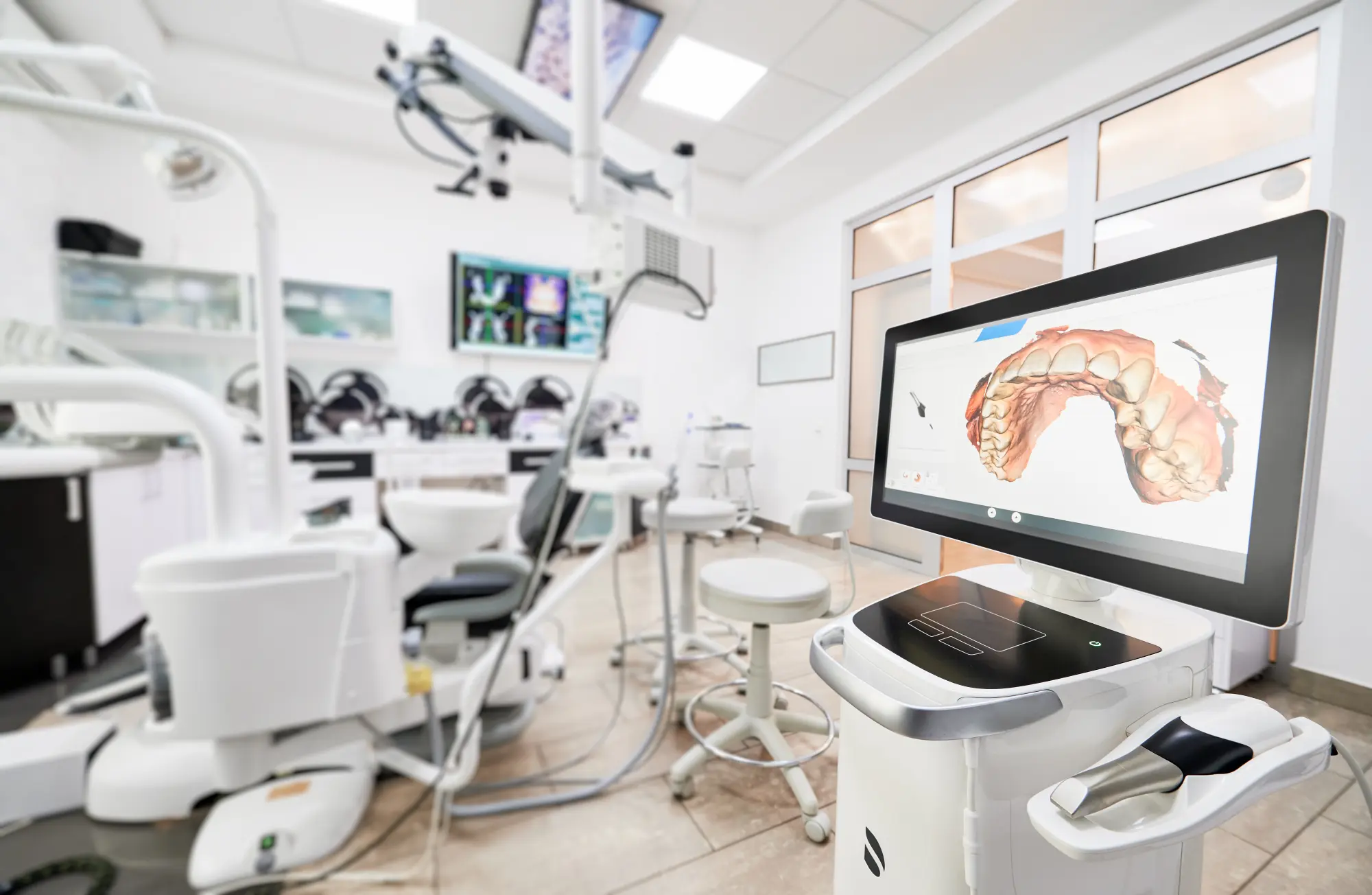
When a patient comes in with jaw pain, discomfort, or headaches, we start with an examination. From there, we take an iTero scan. This 3D scanner lets us look at your teeth from the inside, the side, and the top, and we can even separate the upper and lower arches virtually to study how each one relates to the other. It gives us a chance to see the case up close, alongside you, and to work backward from your symptoms. We can start to understand why a certain muscle feels the way it does, why particular teeth hurt, or why there's physical damage to your teeth.
If we take a radiograph, we may also be able to see physical changes in the hard structures around the jaw. Between the scan, the exam, and imaging, we can look for the reasons your jaw may be sitting where it is, including why the bite may have closed down.
The scanner also changes the patient experience. In the past, this process meant traditional impressions, poured-up study models, and waiting around three weeks for a return visit. Now we can scan your teeth, view a virtual model, and talk through what we see with you right there. Many patients prefer skipping traditional impressions. From there, we can explain how we might work to unwind the problem, address the muscular and neural connections involved, and help you feel comfortable again.
Why we suggest surgery as the last option
If you've been told you need surgery, or if you simply want to understand your choices, we'd encourage you to get a second opinion. When we think of a joint problem, surgery is often the first thought. We'd suggest it be the last. Once surgery changes bony structures, it can't be undone, and in many cases muscles are driving the whole process. If we can help the muscles settle into a better place, we may be able to work toward a better tooth position and a healthier joint space before considering an irreversible step.
This is our number one piece of advice for anyone dealing with TMJ pain: understand what's causing the problem before you consider anything permanent.
Take the next step toward understanding your jaw pain
You've lived with the discomfort long enough, and you deserve answers that go beyond a quick fix. If you're in the Lafayette area and you're dealing with jaw pain, headaches, or other symptoms that might trace back to your bite, our team at Allure Dental would be glad to take a careful look with you. Call us at (765) 477-0331 or schedule your visit, and we'll talk through what we find, step by step.
Related Posts
TMJ pain: why finding the cause matters more than chasing symptoms in Lafayette, IN
iTero scanners: how digital technology is changing the patient experience in Lafayette, IN
Invisalign Beyond Straight Teeth: What Experienced Invisalign Treatment Can Really Accomplish
