
Types of Dental Veneers Explained: A Guide for First-Time Patients
For many patients, veneers are the moment their confidence finally matches the way they want to show up in the world. At Allure Dental, Dr. Trevor Murray and Dr. Christian Mazur have transformed thousands of smiles—whether for Purdue athletes, Miss USA contestants, or everyday patients who simply want to love their reflection again. Veneers are one of their most requested cosmetic treatments, and for good reason: in as little as three weeks, a worn, discolored, or uneven smile can become bright, balanced, and beautifully natural.
If you're considering veneers for the first time, this guide breaks down what they are, the types available, and what you can expect from your first visit to final results.
What Are Dental Veneers?
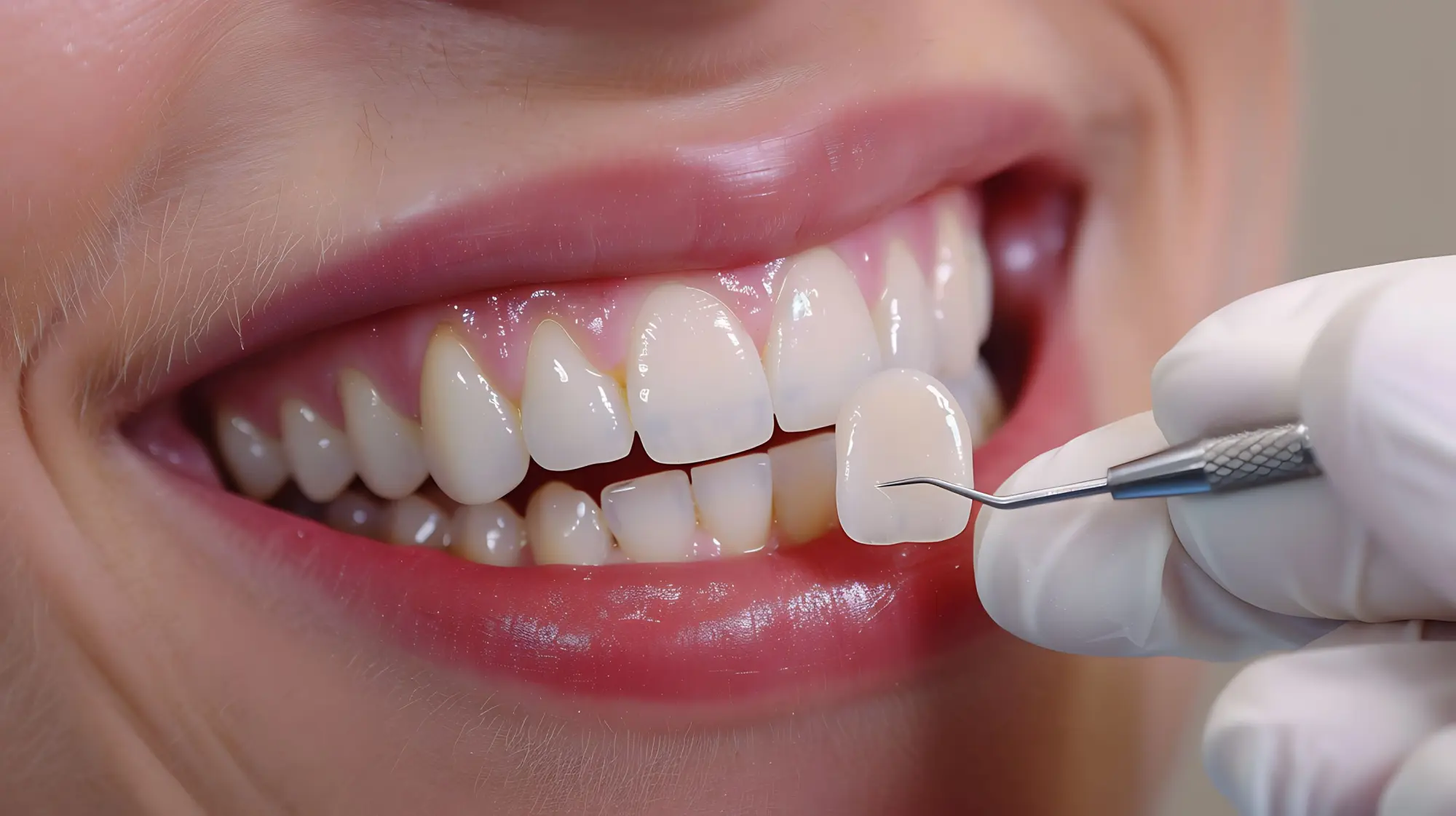
As Dr. Murray explains, veneers are essentially “a new front” for your teeth—like a cosmetic covering, but far more durable and natural-looking. Each veneer is a thin, custom-designed shell that bonds to the front surface of a tooth. They enhance color, shape, size, and overall symmetry, creating a brighter and more polished smile.
Veneers are especially helpful for:
- Stains that don’t respond to whitening
- Chips, cracks, and worn edges
- Minor crowding or overlapping
- Uneven spacing
- Teeth that appear too small, narrow, or dull
And perhaps most importantly, veneers restore confidence. Patients often arrive covering their mouths when they talk or avoiding photos. After treatment, many can’t stop smiling—Dr. Murray says it’s common to see tears of joy the first time they view their new smile.
Types of Veneers—and How They Differ
Veneers are not one-size-fits-all. At Allure Dental, Dr. Murray and Dr. Mazur design every case around the patient’s preferred style, level of translucency, and aesthetic goals.
Here are the most common types:
Porcelain Veneers
Porcelain is the gold standard for beauty and longevity. These veneers mimic natural enamel through layered translucency and are extremely resistant to staining. They’re ideal for full smile makeovers or patients wanting long-term durability.
Best for: Major cosmetic transformations, color correction, reshaping, worn or chipped teeth.
Minimal-Prep / No-Prep Veneers
These ultra-thin veneers require very little reshaping of the natural tooth. They can be a good option when patients want a subtle enhancement without altering tooth structure significantly.
Best for: Mild cosmetic concerns, patients with strong natural enamel and good alignment.
Composite Veneers
Composite veneers use sculpted resin material placed directly onto the teeth. They’re more budget-friendly but less durable compared to porcelain.
Best for: Small chips, minor gaps, or temporary cosmetic enhancements.
Design Styles: From Natural to Hollywood
One of the most misunderstood aspects of veneers is the style of the smile design. Veneers don’t have to look “fake”—unless you want them to.
Dr. Murray notes that Allure Dental offers around 16 different design styles, ranging from:
Hollywood Style
Bright, symmetrical, and flawless—think magazine-ready perfection. Some patients, including performers or public figures, specifically request this look.
Enhanced Style
A balanced blend: brighter and more uniform, but still with softened edges and subtle character.
Natural Style
More curves, translucency at the edges, and organic variation. These veneers look like beautifully untouched natural teeth.
Every design is fully customized depending on what the patient wants—not the doctor. Your goals, your personality, and your lifestyle guide the final look.
What Veneers Can Fix That Other Treatments Can’t
While Invisalign, whitening, and bonding all have their place, veneers offer a unique combination of speed and aesthetic precision. Dr. Murray often works with patients who:
- Want straighter-looking teeth without months of orthodontics
- Want whiter teeth when whitening can’t improve intrinsic discoloration
- Need to fix multiple concerns—chips, shape, size, color—all at once
- Have upcoming weddings, interviews, reunions, or events and want immediate impact
He notes that some patients arrive with overlapping or crowded teeth and assume orthodontics is their only option. In many cases, veneers can create a straight, uniform appearance in just weeks—something that might otherwise take a year or more.
The Veneers Process: From First Visit to Final Smile
Allure Dental’s veneer process blends digital technology with artistic detail. Here’s what you can expect:
1. Complimentary Consultation
You’ll sit knee-to-knee with one of our doctors and talk through your goals, wishes, and concerns. Many patients bring inspiration photos. You’ll also review before-and-after cases to help clarify your ideal style.
2. Digital Imaging & Smile Preview
Using advanced 3D imaging, Dr. Murray or Dr. Mazur examines your teeth from all angles and creates a digital or physical wax-up, essentially a mockup of your future smile. You can even see how the design looks on your own face.
3. Try-In Phase
Once approved, the mockup is transferred to your teeth. This “test drive” allows you to live with the temporary look—smile, talk, take pictures, get feedback.
If you want them wider, brighter, more rounded, more square—everything can be adjusted.
4. Tooth Preparation & Temporaries
With local anesthesia, the teeth are gently shaped as needed. Then the temporary veneers are placed based on your chosen wax-up. These serve as a preview of the final result.
5. Final Veneer Placement
After your custom porcelain veneers are crafted, they’re bonded permanently to the teeth. The whole transformation typically takes about three weeks from start to finish.
6. Results That Grow Over Time
Dr. Murray notes something special: patients’ smiles literally get bigger over the next few months because their confidence grows. Many who once hid their teeth now smile freely, laugh openly, and radiate a level of happiness that was previously held back.
Do Veneers Look Fake?
A common concern: “Will people know I have veneers?”
According to Dr. Murray, the answer is no—unless you choose a bright, glamorous Hollywood style. Most veneers look like naturally perfect teeth:
- not bulky
- not opaque
- not flat or chalky
Patients choose the style. The doctor listens, designs, and fine-tunes until the veneers reflect exactly the smile you envisioned.
How to Know If Veneers Are Right for You
During your consultation, the doctor walks you through every option—not just veneers. You may discuss:
- Invisalign
- Crowns
- Whitening
- Implants
- Composite bonding
The goal isn’t to push you in one direction but to educate you so you can make an informed choice.
Veneers may be ideal if you:
- Have mostly cosmetic concerns
- Need results quickly
- Want a perfectly balanced, ideal smile
- Have discoloration or wear that other treatments can’t fix
- Want to reshape or resize multiple teeth
Find Out If You’re a Candidate for Veneers in Lafayette
Veneers can be life-changing—not just cosmetically, but emotionally. As Dr. Murray says, the transformation doesn’t stop at the teeth; it affects confidence, joy, and how people show up in the world.
If you're curious whether veneers are right for you, Allure Dental offers complimentary consultations, both in-person and virtual.
Your new smile—and new confidence—may be closer than you think.
Related Posts
Invisalign Beyond Straight Teeth: What Experienced Invisalign Treatment Can Really Accomplish
Dental Implants vs. Bridges: Why a Permanent Root Replacement Is a Superior Investment
Invisalign for Complex Bite Issues in Lafayette: More Than a Cosmetic Fix
